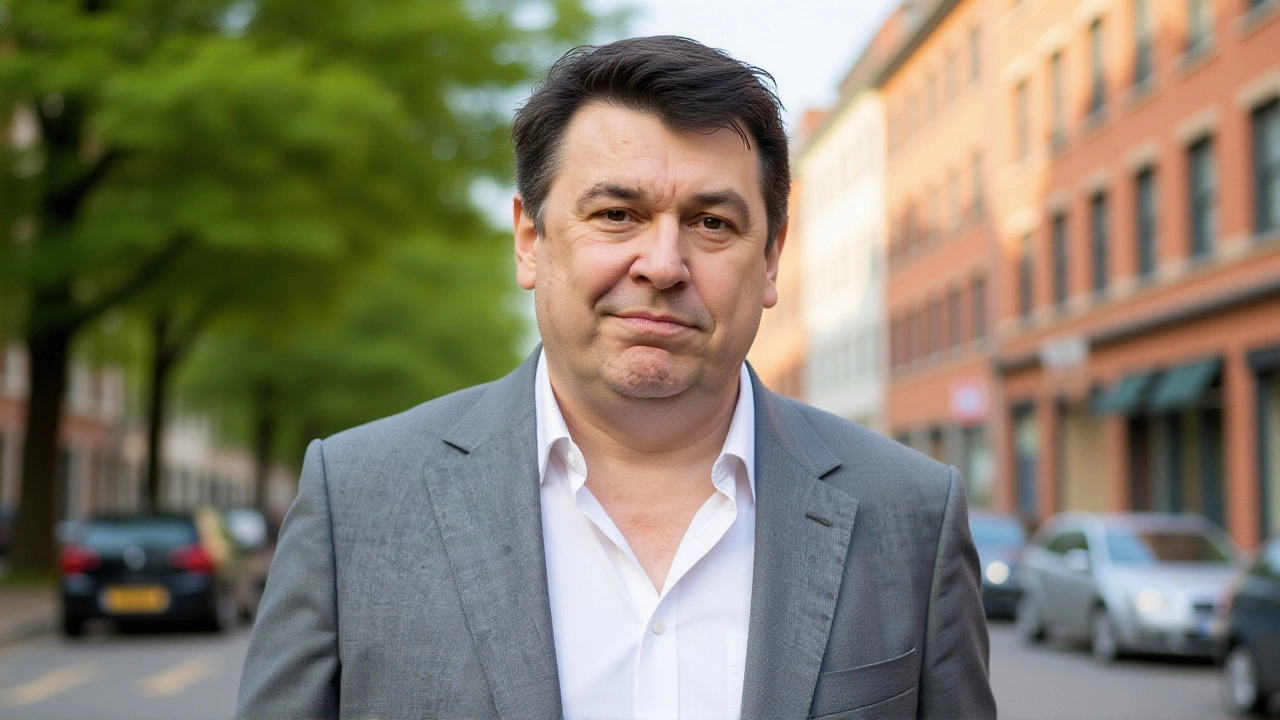
On November 25, 2025, Graham Linehan, the 57-year-old Irish writer behind Father Ted and The IT Crowd, walked out of Westminster Magistrates' Court with a conviction for criminal damage—but no conviction for harassment. The verdict, delivered by District Judge Briony Clarke, ended a high-profile trial that turned a street confrontation in London into a flashpoint in the culture wars. Linehan admitted to grabbing and smashing Sophia Brooks’s phone during an encounter outside a conference venue on October 19, 2024. But the court found his online posts, however harsh, didn’t meet the legal threshold for harassment. The phone, valued at £369, was cracked beyond repair. Linehan was fined £500, ordered to pay £650 in court costs, and a £200 statutory surcharge. His lawyer, Sarah Vine KC, announced immediately after the verdict that Linehan plans to appeal the damage conviction.
What Happened Outside That London Conference?
The incident began when Sophia Brooks, a trans activist with over 20,000 followers, filmed Linehan outside the venue with a DSLR camera. Brooks approached him and asked: “Why do you think it is acceptable to call teenagers domestic terrorists?” Linehan, according to testimony, responded with a series of insults, calling Brooks a “sissy porn-watching scumbag,” a “groomer,” and a “disgusting incel.” Brooks fired back: “You’re the incel, you’re divorced.” Then came the phone. Linehan, visibly angry, snatched Brooks’ device, knocked it to the ground, and stomped on it. Security escorted Brooks away. Linehan later claimed he was surrounded by five or six people filming him—and that Brooks’ actions were deliberate provocation.The Court’s Split Decision
Judge Clarke made it clear: this wasn’t about gender identity. “It is not for this court to ‘pick a side’ in any matter of public debate,” she said. Her ruling was narrow, technical, and strikingly cautious. On harassment, she found Linehan’s social media posts—over 40 in total—“deeply unpleasant, insulting and even unnecessary,” but not persistent enough under the Protection from Harassment Act 1997 to constitute a “course of conduct.” Brooks had posted screenshots of Linehan’s tweets, including one where he mocked a photo of someone named Tarquin: “That cannot be Tarquin as he is a bloke and that is a girls name.” Brooks testified these posts made them fear for their safety, given Linehan’s 500,000+ follower base. But the judge ruled the posts, however toxic, were not targeted at Brooks in a way that met the legal definition of harassment. But on criminal damage? No ambiguity. “He took the phone, knocked it to the ground, and damaged it,” the judge stated plainly. “He did so because he was angry and fed up.” No self-defense, no justification. Just a moment of rage. The defense called it a “momentary lapse of control.” The prosecution called it intentional destruction. The court agreed with the prosecution.Who Is Sophia Brooks—and Why Did This Go Viral?
Brooks, 29, is not a household name, but they’ve become a symbol in online activism. They’ve documented Linehan’s social media activity for over a year, compiling posts they say cross into threats. During testimony, Brooks referenced Kellie Jay Keen, a controversial figure in gender debates, saying, “We know who you are and cataloguing all you do.” Brooks also revealed they’d been receiving direct messages threatening physical harm, some referencing Linehan’s past statements. “I worry every time I leave my house,” Brooks told the court. Linehan, in contrast, described being “hunted” by activists who filmed him in public, shared his home address, and called him a “transphobe” in the media. “My life was made hell,” he said. He testified he hadn’t slept properly in months.The Legal Loophole That Saved Him
Here’s the twist: the judge cited Section 112 of the Criminal Justice Act 2003, which allows courts to consider “reprehensible behaviour” by the complainant when determining guilt. Brooks’ decision to film Linehan repeatedly, approach him aggressively, and provoke him with loaded questions—while publicly documenting it—was deemed by the court as “reprehensible.” That didn’t excuse the damage, but it did explain the context. It also weakened the harassment charge. The defense didn’t need to prove Brooks was wrong—they only needed to show their conduct made Linehan’s reaction, however extreme, less predictable, less malicious.What Comes Next?
Linehan’s appeal will focus on whether the damage charge was proportionate. Vine KC argues the phone’s value was low, the act was impulsive, and the punishment—£1,350 in total—was excessive for a first-time offender with no prior record. But the real battle is elsewhere. In September 2024, Linehan was arrested on suspicion of inciting violence against trans women, specifically for suggesting physical force be used if authorities failed to stop trans women from accessing women-only spaces. That case remains open. Meanwhile, Brooks has vowed to continue documenting what they call “online abuse by public figures.”Why This Matters Beyond the Courtroom
This case isn’t about one phone. It’s about the collapse of civil discourse in the digital age. Linehan is a beloved comedy writer whose work shaped British TV. Brooks is a young activist using social media as a weapon and shield. Neither side is innocent. Both are trapped in a system where outrage is monetized, footage is weaponized, and courts are asked to judge what should be debated in public. Judge Clarke refused to take sides. But the verdict sends a message: even in a polarized world, destroying someone’s property isn’t protected speech. And neither is endless online abuse.Frequently Asked Questions
Why wasn’t Graham Linehan convicted of harassment?
The court found that while Linehan’s social media posts were offensive and repetitive, they didn’t meet the legal definition of harassment under UK law, which requires a ‘course of conduct’ that causes alarm or distress to a specific person. Brooks was mentioned in many posts, but not consistently targeted with direct threats or messages intended to intimidate. The judge ruled the posts were more about public commentary than personal persecution.
How did Sophia Brooks’ conduct affect the verdict?
The judge cited Section 112 of the Criminal Justice Act 2003, which permits consideration of the complainant’s own behavior. Brooks’ repeated filming, aggressive questioning, and public documentation of Linehan were deemed ‘reprehensible’—not excusing the damage, but explaining the context. This undermined the harassment claim and showed the confrontation was mutual, not one-sided.
What’s the significance of the £500 fine?
The £500 fine is relatively low for criminal damage, reflecting the phone’s £369 value and Linehan’s lack of prior convictions. But the total penalty—£1,350 including court costs and surcharge—is meant to signal disapproval. It’s symbolic: enough to punish, but not enough to devastate. The real cost is reputational. Linehan’s public image has shifted from comedy icon to polarizing figure.
Is Linehan still facing other charges?
Yes. In September 2024, Linehan was arrested on suspicion of inciting violence against trans women, specifically for suggesting physical force be used if police fail to prevent trans women from using women-only facilities. That case is still under investigation and has not been dropped. The current verdict doesn’t affect it. Legal experts say it could be more serious, potentially leading to criminal charges if prosecutors find sufficient evidence.
Why is this case being called a ‘culture war flashpoint’?
Because it pits two powerful forces against each other: free speech and personal safety, celebrity influence and grassroots activism. Linehan’s fans see him as a victim of online mobbing. Brooks’ supporters see him as a harasser who used fame to intimidate. The court refused to judge the broader debate—but the public won’t. This case is now a reference point in debates about online abuse, gender identity, and the limits of protest.
What happens if Linehan’s appeal succeeds?
If the criminal damage conviction is overturned, Linehan would face no penalties from this case. But the judge’s findings—that his social media behavior was ‘unpleasant’ and that Brooks’ conduct was ‘reprehensible’—would still stand. The public record remains. And the arrest for inciting violence remains active. An appeal win wouldn’t erase the controversy—it might just make it louder.
 Do you recommend eating a roasted Costco chicken?
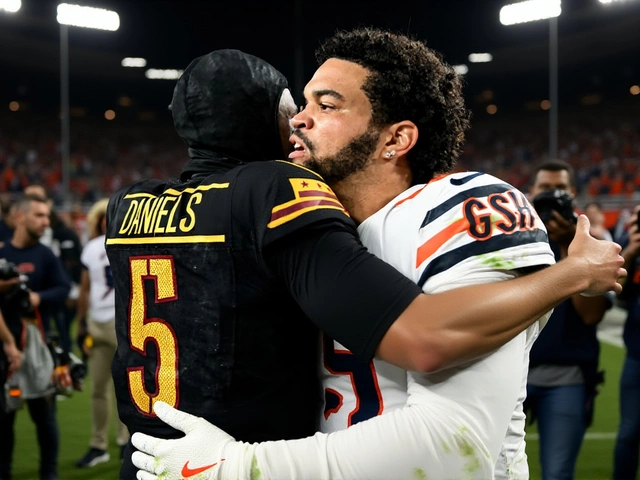 Bears Take on Commanders in High‑Scoring Monday Night Football Showdown
 São Paulo wins on penalties, reaches Libertadores quarterfinals
 What is your favorite quick dinner recipe?
 Microsoft Unveils Agent 365 and Security Copilot Agents to Tame AI Sprawl in Enterprises